
How to Look After Your Garden in Hot Weather
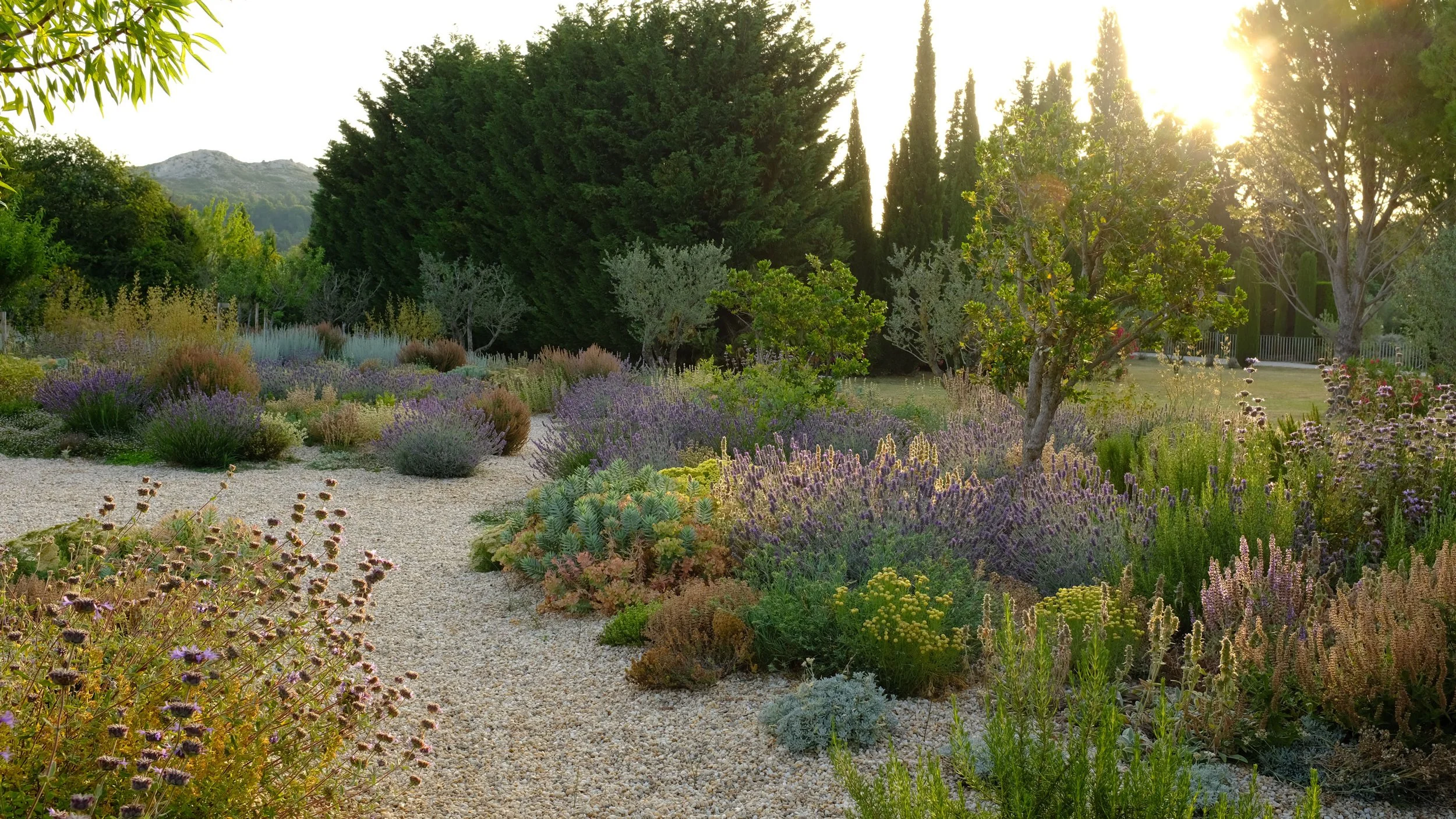
WORK WITH YOUR GARDEN, NOT AGAINST IT!
When the UK gets properly hot, our gardens can start looking a little sorry for themselves. Lawns turn brown, pots dry out at lightning speed and even usually reliable plants can suddenly start drooping.
The good news? You don’t need to spend all day watering your garden to keep it healthy during a heatwave. In fact, watering smarter rather than watering more is usually the best approach.
Here are some simple ways to help your garden cope with hot, dry weather.
Water deeply, not constantly
It’s tempting to wander around every evening giving everything a quick splash. But a small amount of water often only wets the surface of the soil.
Instead, give plants a good, deep drink less frequently. This encourages roots to grow further down into the soil, where conditions stay cooler and moisture lasts longer.
The RHS recommends watering early in the morning where possible, as less water is lost through evaporation. Evening is your next best option.
A few quick watering tips:
· Concentrate water around the base of the plant.
· Avoid spraying water all over the leaves.
· Give newly planted trees, shrubs and perennials extra attention.
· Check pots and hanging baskets regularly – they can dry out incredibly quickly.
· Prioritise plants that actually need water rather than automatically watering everything.
Don’t panic about a brown lawn
A golden-brown lawn can look alarming, but established grass is surprisingly tough.
During prolonged dry weather, grass naturally slows down and can become dormant. Once cooler, wetter weather returns, most established lawns will recover and turn green again.
So put the sprinkler away!
You can also raise the cutting height on your mower and mow less frequently. Longer grass helps shade the soil and encourages deeper roots. If your lawn has stopped growing altogether, there’s really no need to mow it.
Get some mulch down
Mulching is one of the easiest ways to create a more drought-resistant garden.
A layer of compost, well-rotted organic matter or bark over your borders helps reduce moisture loss, suppress weeds and protect plant roots.
Think of it as giving your soil a protective blanket.
Ideally, mulch when the soil is already moist. Putting a thick layer of mulch over completely bone-dry soil isn’t going to magically add water underneath it.
Move your pots
One of the benefits of container gardening is that your plants aren’t stuck where they are.
If a favourite pot is baking against a south-facing wall all afternoon, move it somewhere with a little afternoon shade until the hottest weather passes. The RHS specifically recommends shading pots and hanging baskets that are exposed to strong direct sun during heatwaves.
Grouping pots together can also help create a slightly more sheltered environment and slow down how quickly they dry out.
Save water where you can
Hot summers are a good reminder that water is a valuable resource.
A water butt connected to a shed, greenhouse or house downpipe can collect a surprising amount of rainwater throughout the year.
You can also reuse some household water – often called grey water – in the garden. Even something as simple as collecting the cold water that runs while you’re waiting for the shower to warm up can help.
And, of course, always check whether any local hosepipe restrictions are in place.
Think about next summer
Finally, if certain areas of your garden struggle every time temperatures rise, it might be worth reconsidering the planting.
Plants such as lavender, rosemary, salvias, euphorbias and ornamental grasses can work brilliantly in sunny, free-draining areas and generally cope better with periods of dry weather once established.
Good garden design isn’t about fighting the conditions you have. It’s about working with them.
A little preparation, sensible planting and smarter watering can make a huge difference – and hopefully means you can spend less time dragging a hose around and more time actually enjoying your garden.
Looking for help creating a beautiful, practical garden that works with your space? Lawrence Olson Garden Design can help you create a garden designed around your home, your lifestyle and the conditions in your garden.